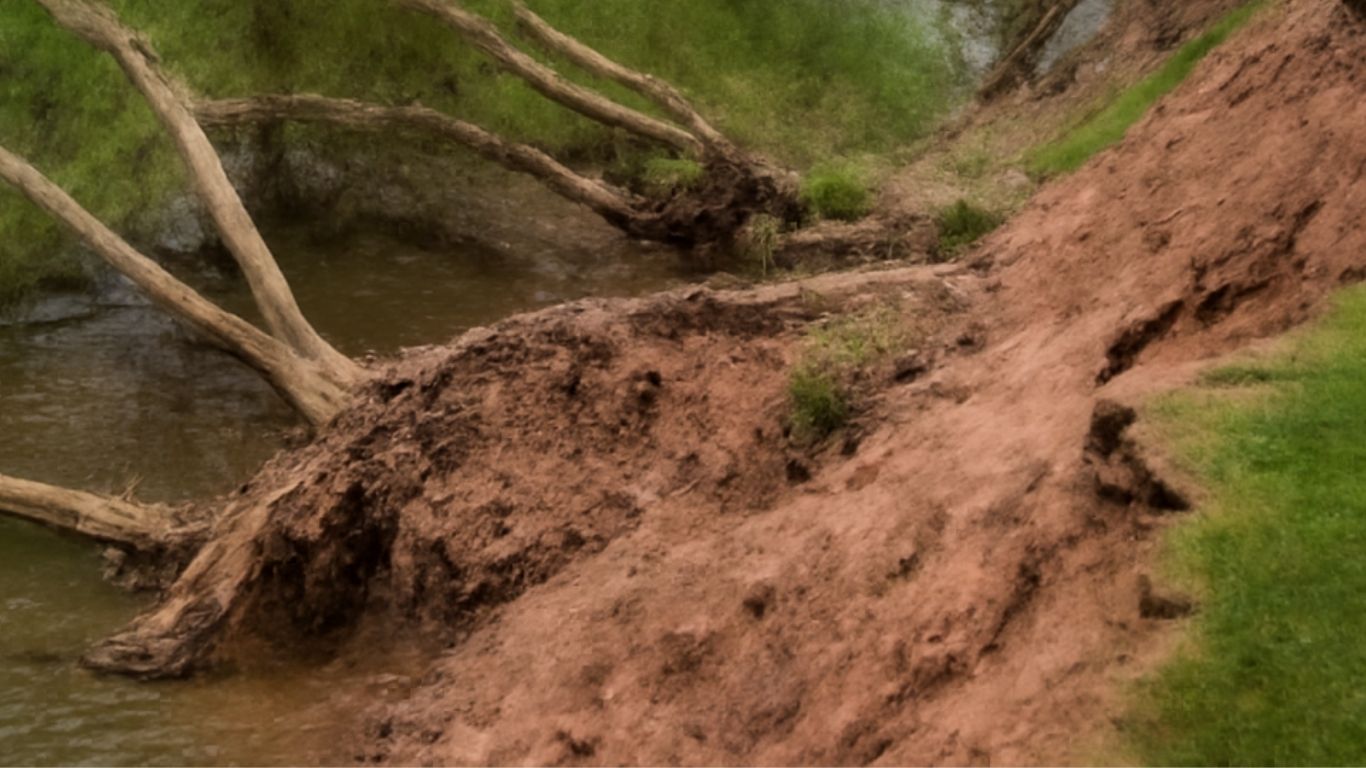
In late May 2025, a significant incident occurred near the Iford Playing Fields in Christchurch, UK, when a large section of the riverbank along the River Stour collapsed. This event raised concerns about safety, environmental changes, and the potential risks to the local community. In this article, we will explore the details of the riverbank collapse, its causes, the response from local authorities, and the potential long-term implications for the area. By understanding this event in depth, we hope to provide a comprehensive overview of the situation and its broader significance.
The Incident: Riverbank Collapse Iford Playing Fields
On a seemingly normal day in late May 2025, residents and visitors to the Iford Playing Fields were shocked to witness the collapse of a large section of the riverbank. The collapse occurred along the banks of the River Stour, a popular waterway that runs through Christchurch, an area well-loved by locals for its scenic beauty and recreational opportunities, including walking, cycling, and paddleboarding.
The collapse was substantial, with multiple trees falling into the river as the embankment gave way. The damage appeared to be severe, with a large section of the bank seemingly vanishing overnight. Local residents were alarmed, especially as this area is often frequented by children and families, many of whom enjoy swimming, playing, or simply relaxing near the water.
Witnesses described the event as unusual, noting that the extent of the collapse was far greater than typical riverbank erosion in the area. The collapse not only posed immediate safety concerns but also highlighted the ongoing challenges posed by natural erosion processes.
Causes of the Riverbank Collapse
The primary cause of the riverbank collapse at Iford Playing Fields has been attributed to natural erosion processes, which were significantly accelerated by strong winds in the days leading up to the incident. The River Stour, like many rivers, is subject to constant erosion, as the flow of water gradually wears away at the banks. However, in this case, the powerful winds exacerbated these natural forces, causing the embankment to give way in an unusually large section.
Over the years, the area surrounding the River Stour has been subject to periodic erosion, and there have been previous instances of smaller collapses. However, the sheer size of the May 2025 collapse has raised concerns about the long-term stability of the riverbank, particularly as the region continues to experience severe weather events and fluctuating water levels.
Natural Erosion: A Recurring Issue
Erosion along the River Stour is not a new issue. It has been a recurring phenomenon in the region, especially during periods of heavy rainfall or high winds. Local authorities have long been aware of the vulnerability of the riverbank and the risks it poses to the surrounding areas. However, the scale of the collapse in May 2025 was unprecedented, leading many to question whether this is an indication of a growing environmental concern or if it was simply a rare but natural event.
The erosion process is complicated by the fact that the soil composition in this area is often unstable, which makes it more prone to collapse, especially during extreme weather events. Additionally, the presence of tree roots and other vegetation helps to stabilize the bank, but when trees are uprooted, as was the case in this incident, the structure of the riverbank becomes significantly weaker.
The Official Response
Following the collapse, BCP Council (Bournemouth, Christchurch, and Poole Council) was made aware of the situation and issued a statement addressing the event. According to a spokesperson, while the collapse was significant, riverbank erosion is considered a natural part of the process for the River Stour. The spokesperson also acknowledged that the area had been subject to previous flooding events, most notably in November 2024 and December 2013, which had prompted evacuations in nearby residential parks, such as Iford Bridge Home Park.
In response to the collapse, the council has been working with various partner organizations to monitor the situation and assess the damage. They are currently evaluating the next steps to mitigate further risk and prevent additional erosion in the future. Experts are being consulted to explore potential stabilization solutions for the riverbank, which may include reinforcing the embankment or implementing other structural measures.
Monitoring and Long-Term Solutions
The local authorities have committed to ongoing monitoring of the area to ensure public safety. Given the history of flooding and erosion in the region, it is clear that a more proactive approach may be required to address the vulnerability of the riverbank. Local residents and environmental groups are also calling for increased measures to protect the area from future collapses and to ensure that the natural environment is preserved.
While there is no immediate solution to prevent future erosion entirely, the collaboration between the council and environmental experts aims to develop a sustainable strategy that can help reduce the risk of further damage. It is likely that in the coming months, more detailed plans for stabilization and protection will be introduced.
The Impact on Local Safety and Community
One of the primary concerns raised by residents following the collapse is safety. The riverbank at Iford Playing Fields has long been a popular spot for recreational activities, and the collapse has raised questions about the safety of the area for locals, particularly children. There have been concerns about the risk of further collapses and whether the area remains safe for activities like walking, cycling, or even swimming.
Many families have enjoyed spending time by the river, and it has become an integral part of local life. However, with the potential for further erosion, there is a growing concern that the area may become too dangerous for public use, particularly if the riverbank continues to weaken over time.
Local authorities have assured residents that they are taking steps to ensure the area remains safe, but many are advocating for more robust measures to protect the riverbank and prevent further damage.
Conclusion: Looking to the Future
The riverbank collapse near Iford Playing Fields serves as a reminder of the ongoing challenges posed by natural erosion processes and extreme weather events. While this event was alarming, it is essential to remember that erosion is a natural phenomenon that has been occurring for centuries. However, the unusual size of the collapse raises valid concerns about the future stability of the riverbank and the need for increased intervention.
BCP Council’s ongoing efforts to monitor the situation and consult with experts are crucial to developing long-term solutions that protect the area and ensure the safety of residents and visitors. It is clear that addressing the risk of riverbank collapse in the future will require a combination of environmental awareness, practical measures, and a commitment to preserving the local landscape for generations to come.
As the situation continues to unfold, both the community and local authorities will need to work together to mitigate the effects of erosion and ensure the safety and enjoyment of Iford Playing Fields for all who visit.