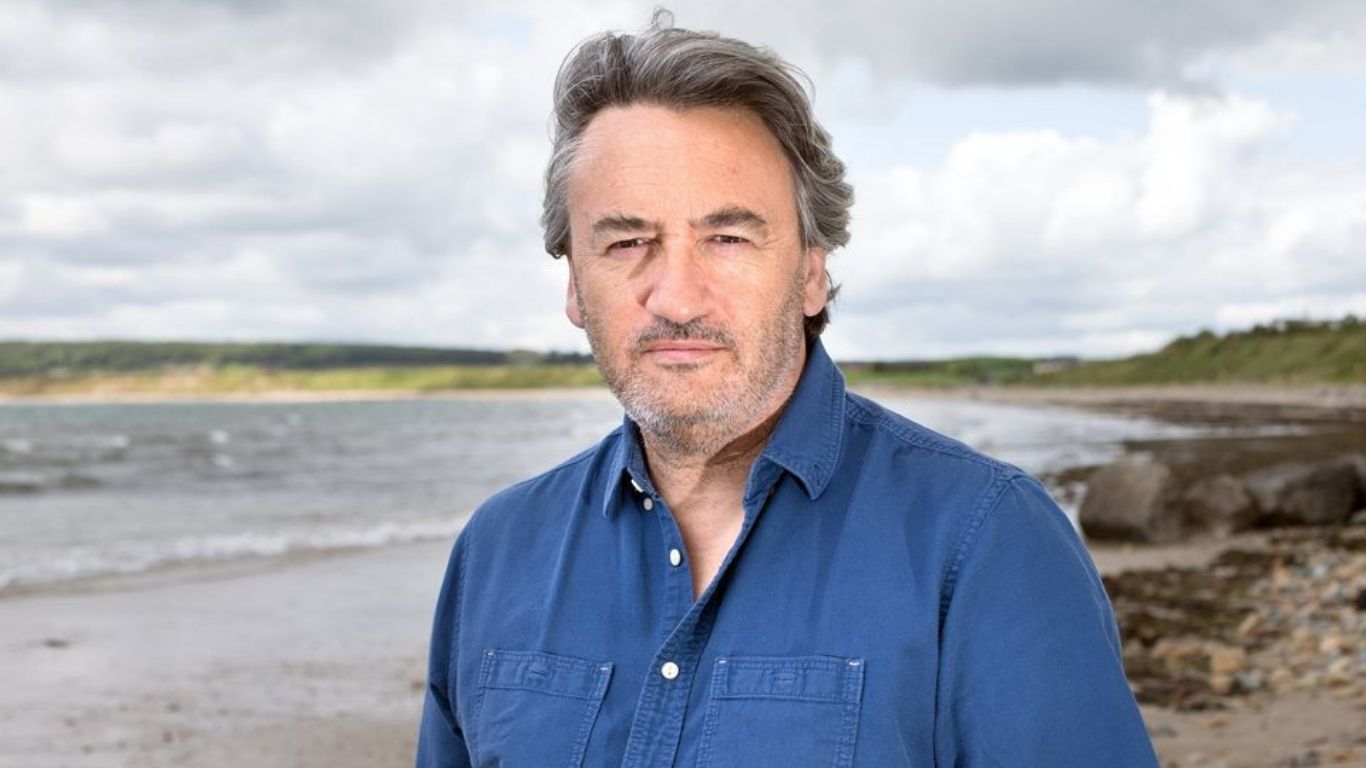
Fergal Keane is internationally recognized as one of the most influential foreign correspondents of the modern era. Known for his powerful storytelling, calm authority, and courageous reporting from war zones, Keane has spent more than three decades documenting historic transformations across the globe. Yet behind the awards and headlines lies a compelling personal story that begins with a creative Irish family, an early exposure to political tension, and a deep sense of moral responsibility that shaped his lifelong dedication to journalism.
This article explores Fergal Keane’s biography, early life, family background, and the experiences that formed the foundation of his groundbreaking career.
Early Life: The Beginning of a Storyteller
Fergal Keane was born on January 6, 1961, in London to Irish parents. Although he entered the world far from Ireland, his upbringing remained deeply rooted in Irish culture, history, and identity. This cultural duality—Irish heritage within an English setting—would later influence his worldview and understanding of conflict, belonging, and national identity.
Keane spent much of his childhood in Ireland, where he developed a love for literature, history, and the spoken word. His early years were shaped by an environment filled with creativity, debate, and emotional complexity. These influences played a crucial role in his development as a thoughtful observer and nuanced storyteller.
A Family Grounded in Creativity and Performance
One of the most formative aspects of fergal keane’s early life was his family background. He was born into a household with extraordinary artistic and intellectual influence.
A Legacy of Writing and Creativity
Keane’s uncle, John B. Keane, is one of Ireland’s most beloved and respected playwrights. His works are celebrated for their insight into rural Irish life and their ability to capture the emotional struggles of ordinary people. This literary influence surrounded Fergal from a young age, exposing him to the power of narrative and the beauty of language.
His Father’s Influence
Keane’s father, Eamonn Keane, was an acclaimed Irish actor. Although gifted and charismatic, he struggled with alcoholism, which created difficulties within the family. These early emotional challenges shaped Fergal’s sensitivity, resilience, and capacity for empathy—qualities that would later define his approach to journalism.
Growing up in a household where creativity thrived but emotional tension was present gave Keane an intimate understanding of human vulnerability. This understanding became a hallmark of his reporting style, especially when covering stories of trauma, war, and survival.
Education and Early Curiosity
From a young age, fergal keane displayed a curious mind and a deep interest in understanding how societies function. He gravitated toward subjects like:
- History
- Literature
- Politics
- Human rights
The political climate of Ireland during his youth, especially the Troubles in Northern Ireland, raised questions that sparked his early fascination with conflict and its human cost.
His intellectual foundation and natural inclination toward inquiry ultimately positioned him well for a career in journalism.
The First Steps into Journalism
Keane began his professional journey in 1979 at the Limerick Leader, a regional newspaper. This early newsroom experience taught him the fundamentals of reporting:
- Listening carefully
- Asking meaningful questions
- Writing clearly and accurately
- Understanding his community
He later joined RTÉ, Ireland’s national broadcaster, where his talent and determination became increasingly evident. Each step of his early career strengthened his skillset and prepared him for the global stage.
Joining the BBC: A Career Defined by Courage
In 1989, fergal keane joined the BBC, marking the beginning of a remarkable international reporting career.
He covered some of the most consequential events of the late 20th and early 21st centuries, including:
Northern Ireland
Keane reported on the closing years of the Troubles, offering insight into the political tensions and human toll of the conflict.
South Africa
Keane was a witness to history during the transition from apartheid to democratic rule. His reporting captured the hopes, fears, and changes experienced by South Africans during this extraordinary period.
The Rwandan Genocide
In 1994, Keane delivered some of the most important journalism on the Rwandan Genocide. His vivid storytelling and moral clarity brought worldwide attention to the atrocities. This work earned him the prestigious George Orwell Prize for political writing.
Hong Kong
He documented the handover of Hong Kong from British to Chinese control in 1997, another historic turning point.
War Zones Around the World
Throughout his career, Keane reported from Iraq, Gaza, Ukraine, and other conflict zones. His work is distinguished by its focus on the human experience—not just political strategy or military action.
Accolades and Professional Impact
Keane’s dedication to truth and humanity has earned him numerous awards, including:
- A BAFTA
- An Emmy
- Royal Television Society Awards
- Foreign Press Association Awards
These accomplishments reflect not just his journalistic excellence but also his ability to connect audiences with the lives of people affected by war.
Stepping Back and Speaking Out: PTSD and Recovery
After decades of reporting from some of the world’s most dangerous places, fergal keane faced the consequences of prolonged exposure to trauma. In 2020, he announced publicly that he had been diagnosed with post-traumatic stress disorder (PTSD).
Why This Moment Mattered
Keane’s openness was groundbreaking. His honesty helped:
- Destigmatize mental health issues
- Encourage journalists to speak about trauma
- Raise awareness of occupational stress
A New Role: Special Correspondent
He stepped back from his position as Africa Editor and transitioned into a role that allowed him greater support and recovery while continuing meaningful work for the BBC.
Books and Documentaries on Mental Health
Keane’s documentary Fergal Keane: Living with PTSD and his memoir, The Madness, explore his journey through:
- Trauma
- Recovery
- Sobriety
- Emotional resilience
His voice is now central in discussions on mental health, journalism ethics, and the human costs of conflict reporting.
The Influence of Early Life on His Career
Keane’s biography is inseparable from his early experiences. His childhood shaped his professional identity in several ways:
1. Storytelling as a way of life
Growing up in a family of writers and performers taught him how stories can change people’s understanding of the world.
2. Emotional depth and empathy
His family struggles gave him profound sensitivity—something rare and invaluable in frontline journalism.
3. Exposure to political struggle
Witnessing Irish political tensions nurtured his interest in exploring conflict and justice.
4. A strong moral compass
Keane’s reporting is defined by integrity, compassion, and a belief in bearing witness. These values were formed early and strengthened throughout his life.
Conclusion: The Lasting Impact of Fergal Keane
Fergal Keane’s journey—from a culturally rich Irish family to the frontlines of global conflict—reveals a man shaped by storytelling, driven by empathy, and defined by courage. His biography highlights the powerful connection between personal experience and professional purpose.
Keane’s work has influenced journalism, deepened public understanding of war, and opened vital conversations about trauma and mental health. Whether through his reporting, books, or advocacy, fergal keane continues to leave a legacy built on truth, humanity, and resilience.